
I noticed something was wrong when my trousers fell off. Not metaphorically — literally. I reached down to pick something up and they ended up around my ankles. I had not been dieting. I had not been exercising. I had not been trying at all.
That was how I found out I had lost around 8 to 10 kilograms without doing anything deliberate. And it was the beginning of eventually losing 25 kilograms in total — not through willpower, not through a strict programme, and not by giving up the food I actually love.
Here is what actually happened.
Where I started
At my worst, I weighed somewhere between 95 and 98 kilograms. I have Type 2 diabetes. My blood pressure was difficult to control even on medication. I was sleeping 2 to 4 hours a night — working late editing photos as an event photographer, then waking early to send my sons to school.
My diet was exactly what you would expect. I loved fried food. I loved fast food. I loved late-night supper. I was entirely reliant on medication to manage my conditions and making absolutely zero lifestyle changes, because I was too lazy and too attached to my food to bother.
That is not self-criticism. That was genuinely my position, and I owned it completely.
The thing that changed without me trying
Around age 43, something strange happened that I still cannot fully explain. My taste palette shifted — completely on its own, without any decision on my part.
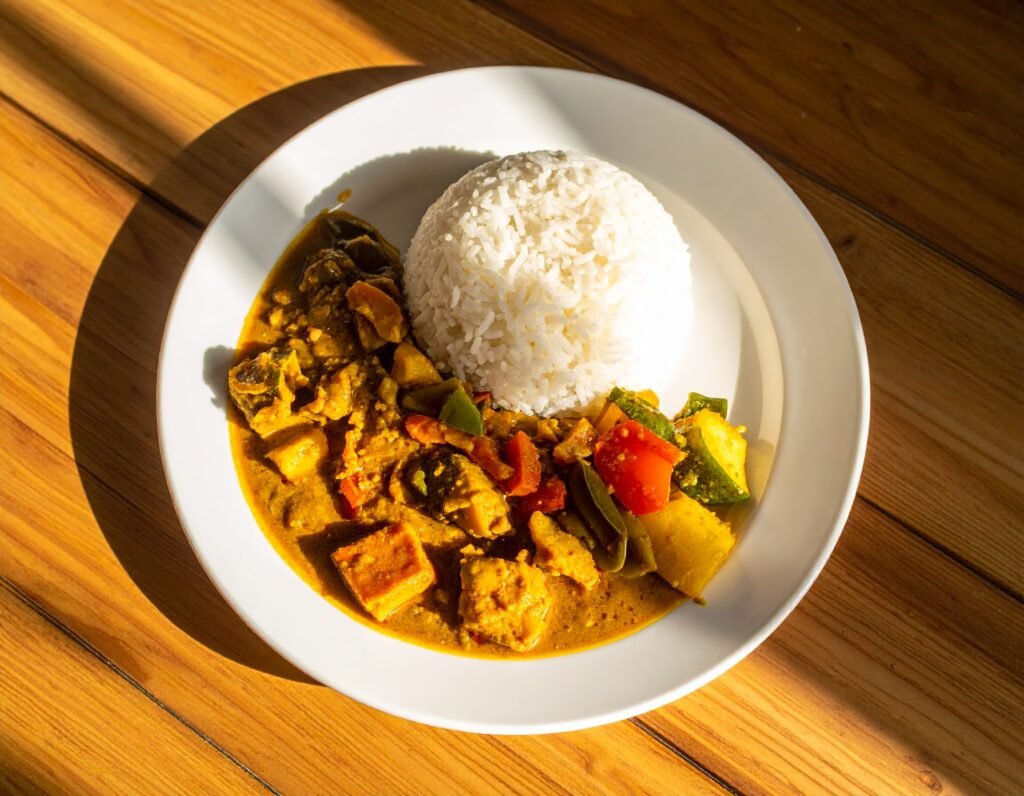
Food I had always loved started losing its pull. Food I had always avoided started tasting genuinely good. Malaysian soup dishes I used to ignore. Salads. Fruit. I still loved fried chicken — I still do — but I found myself eating it less often and in smaller amounts, not because I was forcing myself, but because I simply did not want as much of it anymore.
I only noticed something had changed when the trousers fell off. I had not weighed myself. I had not tracked anything. But I had lost around 8 to 10 kilograms.
No willpower involved. No sacrifice. It just happened.
Intermittent fasting — also an accident
I did not start intermittent fasting because I read about it. I started because after late editing sessions, I was too tired to eat breakfast. I just stopped eating until noon. Then I pushed it to 16:8 — not because of any plan, but because it was convenient and I was already doing most of it anyway.
Combined with the taste shift, my weight came down from around 95 kilograms to around 80 over the following years. Slowly. Without drama.
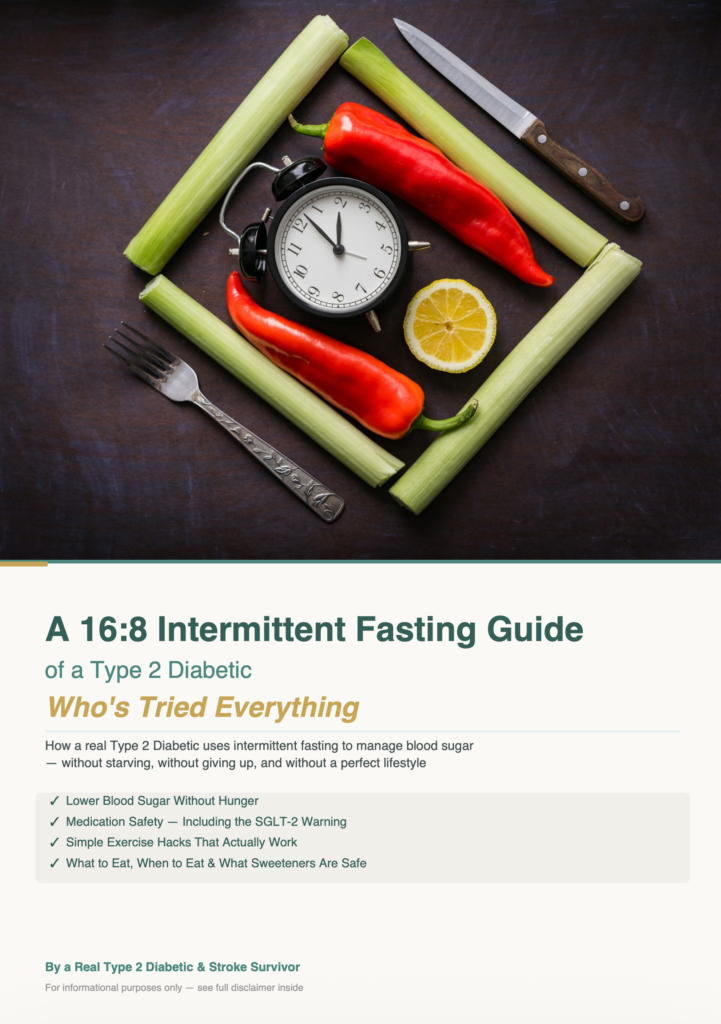
I later learned a lot more about what intermittent fasting actually does to blood sugar and insulin sensitivity — especially for Type 2 diabetics — and if you want to understand the science behind why it works so well for people managing diabetes, I wrote about it in detail in my 16:8 guide. But the honest version is: I stumbled into it and it worked.
What actually made the difference
Looking back, there was no single moment. No decision. No programme. Just a collection of small shifts, each one manageable enough that I actually stuck with them.
I think that is the part most health content gets wrong. It presents change as a dramatic event — a turning point, a commitment, a transformation. But for me, and I suspect for a lot of people, it does not work that way. The changes that held were the ones small enough that I barely noticed I was making them.
I did not stop eating fried food. I ate less of it without trying. I did not start a fasting programme. I skipped breakfast because I was tired. I did not overhaul my lifestyle. I adjusted things gradually, one at a time, in ways a genuinely lazy person who loves food could actually maintain.
That last part matters. If the change requires a version of you that does not exist yet, it will not last. The changes that stuck were designed around the version of me that does.
Where I am now
I am currently at 70 to 71 kilograms — down approximately 25 to 28 kilograms from my peak. My blood pressure is in normal range without medication, managed entirely through lifestyle. My blood sugar is better controlled. I am 49 years old, I still love fried chicken, and I go to the gym twice a week even though I have always hated cardio.
I also survived a stroke in November 2024. The fourteen months I had spent at the gym before it happened did not prevent it — but I believe they made the recovery faster than it would otherwise have been.
None of that is a sales pitch. It is just what happened. If you want to know more about who I am and why I started this site, read my full story here.
If you are trying to lose weight and willpower keeps failing you
It is probably not a willpower problem. It is a sustainability problem. The approach is too hard for the life you are actually living, not the life you imagine you should be living.
Small changes, done consistently, over a long time. That is the whole thing. It is boring, it is slow, and it works.
If you want the full picture — what I ate, how I structured fasting as a Type 2 diabetic, what I actually changed week by week — I have written it all down in a guide that covers exactly what I did and why.